
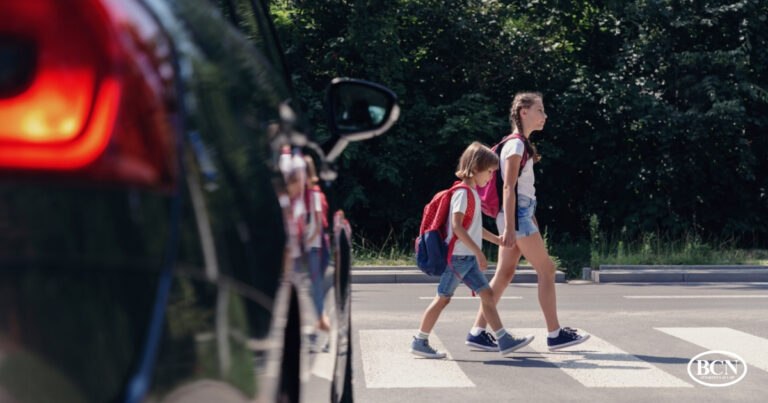
Children walking to school, crossing neighborhood streets, or playing near residential roads can face serious risks when drivers fail to remain alert. Because children may be less predictable around traffic and have limited protection against vehicles, pedestrian collisions can result in significant injuries.
A child pedestrian accident in Florida can leave families facing medical expenses, ongoing treatment, and uncertainty about who may be responsible. Understanding the legal considerations surrounding these accidents can help parents protect their child’s interests.
Why Are Children Vulnerable to Pedestrian Accidents?
Children may have difficulty estimating vehicle speed, judging distances, or recognizing dangerous traffic situations.
Common factors contributing to accidents include:
- Distracted driving
- Speeding in residential areas
- Failure to yield at crosswalks
- Unsafe turns
- Limited visibility
- Drivers failing to check for children
- Accidents near schools and playgrounds
- Vehicles entering or exiting driveways
Drivers should remain particularly cautious in areas where children are likely to be present.
What Responsibilities Do Drivers Have Around Children?
Florida law requires drivers to exercise due care to avoid colliding with pedestrians and to take appropriate precautions when observing children.
This responsibility is especially relevant in neighborhoods, school zones, and areas with frequent pedestrian activity.
However, determining liability requires examining the specific circumstances of the collision, including the driver’s actions, traffic conditions, visibility, and available evidence.
A child’s involvement does not automatically establish driver negligence, but the child’s age and behavior may be important considerations. <Cite ref=”turn549257search8″/>
What Should Parents Do After an Accident?
The child’s health should be the immediate priority.
Seek emergency assistance when necessary and obtain appropriate medical care, even when injuries initially appear minor.
Parents should also consider the following steps:
- Report the accident to law enforcement.
- Obtain the driver’s contact and insurance information.
- Photograph the accident location.
- Collect witness contact information.
- Preserve damaged clothing or belongings.
- Keep copies of medical records and expenses.
- If the accident occurred near a school or business, nearby surveillance footage may also be relevant.
Why Is Medical Documentation Important?
Children may struggle to describe pain, dizziness, or other symptoms accurately.
Medical evaluations can help identify injuries and establish a treatment plan. Follow-up appointments may also be important when symptoms develop or change after the collision.
Parents should document treatment, school absences, activity restrictions, and other ways the injury affects the child’s daily life.
How Are Injury Claims Involving Children Different?
Personal injury claims involving minors can raise additional legal considerations.
Parents or legal guardians may need to take certain steps on behalf of an injured child, and special requirements can apply to settlements involving minors.
The child’s age, injuries, future treatment needs, and the circumstances of the accident may affect how the claim is evaluated.
Because these cases can involve long-term medical and financial consequences, legal guidance may be particularly valuable.
BCN Law Firm Can Help Families After a Pedestrian Accident
When a child is injured in a pedestrian accident, families deserve clear information about their legal rights and available options.
BCN Law Firm represents individuals injured in pedestrian accidents throughout Florida. The firm’s attorneys can investigate the collision, review relevant evidence, evaluate potential liability, and help families understand the legal process while prioritizing the child’s well-being.