
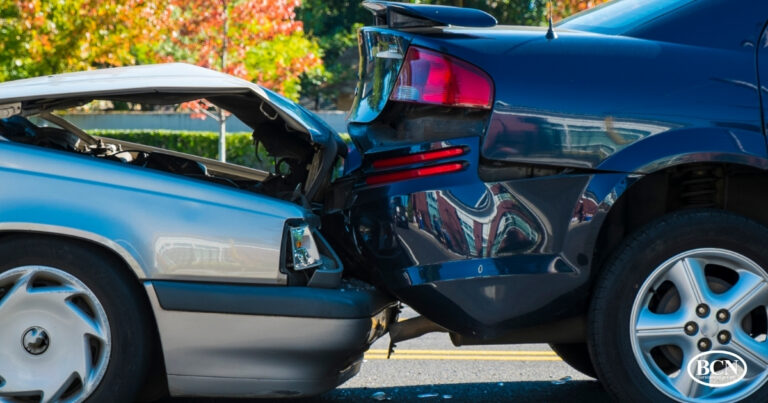
Rear-end collisions are among the most common types of traffic accidents, but determining responsibility is not always as simple as assuming the rear driver is automatically at fault. A rear-end car accident in Florida can involve distracted driving, sudden stops, unsafe following distances, multiple vehicles, or other circumstances that require a closer investigation.
If you are injured in a rear-end collision, knowing what to do afterward can help protect your health and your potential claim.
Why Do Rear-End Accidents Happen?
Rear-end crashes often occur when a driver does not have enough time or distance to stop safely.
Common contributing factors include:
- Distracted driving
- Following too closely
- Speeding
- Sudden traffic congestion
- Impaired driving
- Poor weather conditions
- Driver fatigue
- Failure to notice a traffic signal or stopped vehicle
Some crashes also involve chain reactions in which one vehicle is pushed into another.
Is the Rear Driver Always Responsible?
The rear driver may often bear responsibility when following too closely or failing to stop in time, but liability should be based on the actual circumstances of the collision.
For example, a multi-vehicle crash may involve more than one driver’s actions. Evidence may also reveal other factors that contributed to the accident.
Florida uses a modified comparative negligence system. For negligence claims arising under current law, a person’s percentage of responsibility can affect the ability to recover damages and the amount potentially recovered.
This makes establishing how the collision occurred especially important.
What Evidence Can Help After a Rear-End Collision?
Document the accident scene whenever it is safe to do so.
Helpful evidence may include:
- Photographs of all vehicles
- Damage to the front and rear of each vehicle
- Skid marks or debris
- Traffic signals and signs
- Witness contact information
- Police reports
- Dashcam or surveillance footage
- In multi-vehicle accidents, evidence can help establish the sequence of impacts rather than relying solely on conflicting driver accounts.
Don’t Assume a “Minor” Collision Means Minor Injuries
Rear-end accidents can cause neck, back, head, shoulder, and soft-tissue injuries. Symptoms may not always appear immediately.
Florida’s auto insurance system also includes specific requirements regarding medical treatment after a crash. BCN notes that Florida drivers generally must obtain initial medical care within 14 days to access Personal Injury Protection benefits.
Seeking appropriate medical care promptly can protect both your health and important documentation related to the accident.
Be Careful With Early Insurance Communications
An insurer may request a statement or attempt to resolve a claim before the full extent of an injury is known.
Stick to the facts, preserve your documentation, and avoid speculating about fault or minimizing symptoms before you understand your medical condition.
BCN Law Firm Can Help After a Rear-End Accident
Rear-end accidents can involve disputed fault, multiple insurance policies, delayed injuries, and disagreements about compensation.
BCN Law Firm represents individuals injured in auto accidents throughout Florida. The firm’s attorneys can investigate how the crash occurred, preserve evidence, evaluate insurance coverage, and help clients understand their options for pursuing compensation after a rear-end collision.