
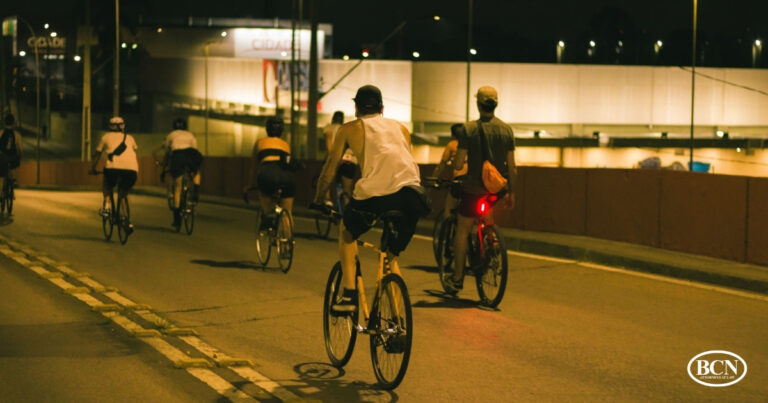
Riding a bicycle after dark presents challenges that are different from daytime cycling. Reduced visibility can make cyclists harder for motorists to see, while glare, poorly lit roads, intersections, and driver distraction can increase the risk of a serious collision.
After a nighttime bicycle accident in Florida, questions often arise about visibility and whether the cyclist or driver could have prevented the crash. Those questions should be answered through the evidence rather than assumptions about who was responsible.
Why Do Bicycle Accidents Happen at Night?
Visibility is an important factor, but nighttime collisions can result from many different circumstances.
Potential contributing factors include:
- Distracted driving
- Speeding
- Poor street lighting
- Failure to yield
- Unsafe passing
- Impaired driving
- Obstructed sightlines
- Drivers failing to watch for cyclists
BCN Law Firm identifies low visibility and poor weather conditions among factors that can contribute to Florida bicycle accidents, along with driver negligence and unsafe roadway conditions.
Does Visibility Automatically Make the Cyclist Responsible?
No single factor automatically determines responsibility for every accident.
An investigation may examine where the bicycle was traveling, lighting conditions, the driver’s actions, road design, traffic controls, bicycle equipment, and what happened immediately before impact.
Statements such as “I didn’t see the cyclist” do not by themselves explain why the collision occurred.
The complete circumstances need to be evaluated.
Evidence Can Be Especially Important at Night
Conditions at an accident scene may look very different the following morning. If possible, evidence should document what the area looked like around the time of the collision.
Useful evidence may include:
- Photos showing street lighting
- Vehicle and bicycle damage
- Nearby traffic signals
- Road and bike-lane markings
- Witness statements
- Surveillance footage
- Dashcam recordings
- Bicycle or helmet camera footage
Photos taken under similar lighting conditions may also help document visibility issues.
What About Bicycle Lights and Safety Equipment?
The equipment being used by the cyclist may become part of the investigation, but it is only one piece of the overall liability analysis.
Preserve the bicycle, lights, helmet, reflective equipment, and damaged clothing after a serious collision. Avoid throwing away or repairing important items before determining whether they may be relevant evidence.
Seek Medical Attention After a Nighttime Crash
Cyclists have little physical protection when struck by a vehicle. BCN identifies fractures, traumatic brain injuries, spinal injuries, internal injuries, and lacerations among injuries that may occur in bicycle-related collisions.
Medical attention should be based on your condition, not on how damaged the bicycle or vehicle appears.
Keep records of treatment, expenses, time missed from work, and how the injuries affect your daily activities.
BCN Law Firm Can Help Injured Cyclists
Nighttime bicycle cases can involve arguments about visibility, roadway conditions, driver behavior, bicycle equipment, and shared responsibility.
BCN Law Firm represents injured cyclists throughout Florida and can investigate the circumstances of a crash, gather available evidence, address insurance communications, and help determine what legal options may be available. A thorough investigation can help ensure that liability is based on what actually happened rather than assumptions about riding after dark.