
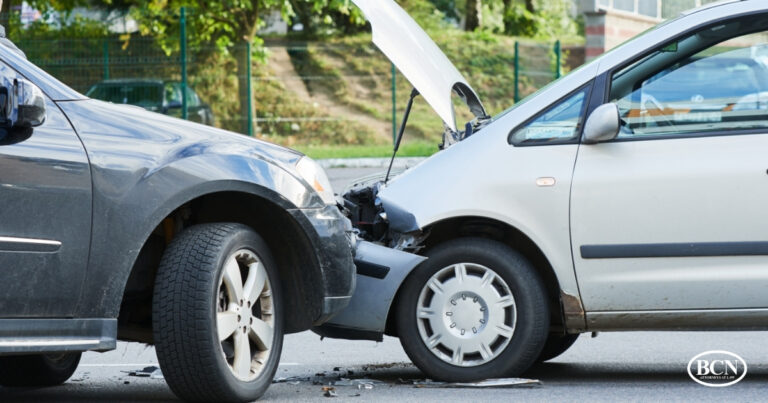
Head-on collisions are among the most dangerous types of car accidents because two vehicles traveling toward each other can collide with significant force. These crashes can happen on highways, rural roads, and busy intersections, often resulting in serious injuries and extensive vehicle damage.
A head-on collision in Florida can leave injured drivers and passengers facing unexpected medical expenses, lengthy recovery periods, and complicated insurance claims.
Understanding what causes these accidents and how liability is determined can help injured individuals protect their rights.
What Causes Head-On Collisions in Florida?
Head-on accidents often occur when a vehicle crosses into an opposing traffic lane or travels in the wrong direction.
Common contributing factors include:
- Distracted driving
- Driving under the influence
- Driver fatigue
- Unsafe passing
- Speeding
- Failure to observe traffic signs
- Wrong-way driving
- Losing control of a vehicle
These collisions can occur on major Florida highways, including I-75 and the Florida Turnpike, as well as smaller roads where opposing traffic is separated by only a centerline.
Why Are Head-On Collisions So Dangerous?
When vehicles traveling in opposite directions collide, occupants may experience substantial impact forces.
Common injuries may include:
- Traumatic brain injuries
- Neck and spinal injuries
- Broken bones
- Internal injuries
- Chest injuries
- Severe cuts and bruising
Some injuries require emergency surgery, rehabilitation, or ongoing medical treatment.
The severity of an injury may depend on vehicle speed, impact location, safety equipment, and other circumstances.
Who May Be Responsible for a Head-On Accident?
Determining liability requires investigating how the vehicles came into contact.
A driver who crosses into oncoming traffic because of distraction, impairment, or another negligent action may potentially be responsible for the resulting collision.
Florida Statutes § 316.1925 requires motorists to operate vehicles carefully and prudently while considering traffic and roadway conditions.
However, fault should not be assumed without examining the evidence surrounding the crash.
What Evidence Can Help Establish Liability?
Head-on collisions may require a detailed accident investigation, particularly when drivers provide conflicting accounts.
Important evidence may include:
- Police crash reports
- Photographs of vehicle damage
- Roadway markings and skid marks
- Witness statements
- Dashcam or surveillance footage
- Vehicle electronic data
- Accident reconstruction findings
- Medical documentation
Preserving available evidence can help establish how the collision occurred and whether negligent driving contributed to the accident.
What Should You Do After a Head-On Collision?
Seek emergency medical assistance when necessary and follow your healthcare provider’s treatment recommendations.
If possible, document the accident scene and obtain contact information from witnesses.
Keep copies of medical records, expenses, insurance correspondence, and documentation of missed work.
Avoid making assumptions about fault or agreeing to a settlement before understanding the full extent of your injuries and available legal options.
BCN Law Firm Can Help After a Serious Auto Accident
Head-on collisions can involve significant injuries, disputed liability, multiple insurance policies, and substantial financial losses.
BCN Law Firm represents individuals injured in auto accidents throughout Florida. The firm’s attorneys can investigate the circumstances of the collision, evaluate available evidence, address insurance issues, and help injured drivers and passengers understand their options for pursuing compensation.
Injured in a head-on collision? Contact BCN Law Firm to schedule a consultation and discuss your legal options.