
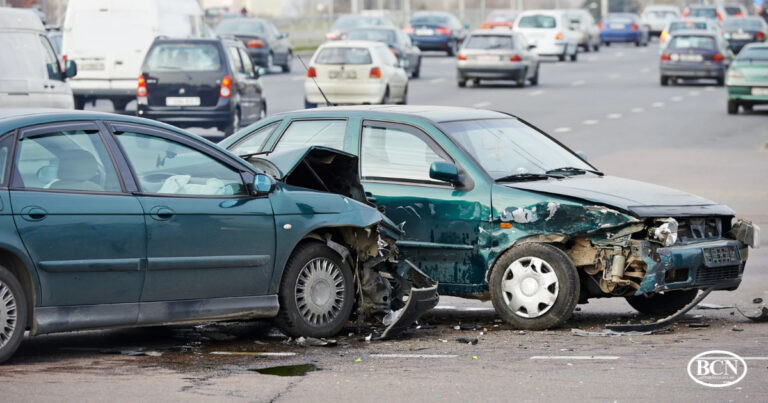
A driver enters an intersection expecting other motorists to follow traffic signals and right-of-way rules. When another vehicle crosses unexpectedly, the result can be a dangerous side-impact collision.
A T-bone car accident in Florida occurs when the front of one vehicle strikes the side of another. These accidents can cause significant injuries, particularly when the impact occurs near the driver’s or passenger’s seating area.
Understanding how fault is determined can help injured motorists protect their legal rights.
What Causes T-Bone Car Accidents?
T-bone collisions frequently occur at intersections, although they can also happen near driveways and roadway entrances.
Common contributing factors include:
- Running red lights
- Ignoring stop signs
- Failure to yield
- Distracted driving
- Unsafe left turns
- Speeding through intersections
- Misjudging approaching traffic
- Driving while impaired
Determining which driver had the right-of-way is often an important part of investigating these accidents.
Why Are Side-Impact Collisions Dangerous?
Unlike front-end collisions, side-impact accidents may involve less space between the point of impact and the vehicle’s occupants.
Potential injuries include:
- Head injuries
- Neck and spinal injuries
- Broken ribs
- Shoulder injuries
- Pelvic fractures
- Internal injuries
- Soft-tissue damage
The severity of an injury depends on factors such as vehicle speed, impact location, safety equipment, and the circumstances of the crash.
How Is Fault Determined?
Fault is not automatically assigned based on which vehicle struck the other.
Investigators may examine traffic signals, right-of-way rules, driver statements, and evidence showing how each vehicle approached the intersection.
For example, a driver who enters an intersection against a red light may be responsible for causing a collision.
However, other circumstances may also affect the liability analysis.
What Evidence Can Support an Injury Claim?
Useful evidence may include:
Police crash reports
Intersection photographs
Traffic camera footage
Dashcam recordings
Witness statements
Vehicle damage
Road markings
Medical documentation
Photographs of the intersection and surrounding traffic controls can help clarify the conditions present when the accident occurred.
What Should You Do After a T-Bone Accident?
Seek medical attention, especially if you experience pain, dizziness, or other symptoms.
Report the accident when required and preserve photographs, witness information, medical records, and insurance correspondence.
Avoid making assumptions about fault before the available evidence has been evaluated.
BCN Law Firm Can Help After a Side-Impact Collision
T-bone accidents can involve disputed right-of-way, serious injuries, conflicting driver statements, and insurance complications.
BCN Law Firm represents individuals injured in auto accidents throughout Florida. The firm’s attorneys can investigate the collision, evaluate relevant evidence, address insurance issues, and help injured drivers and passengers understand their options for pursuing compensation.
Injured in a T-bone accident? Contact BCN Law Firm to discuss your legal options.