
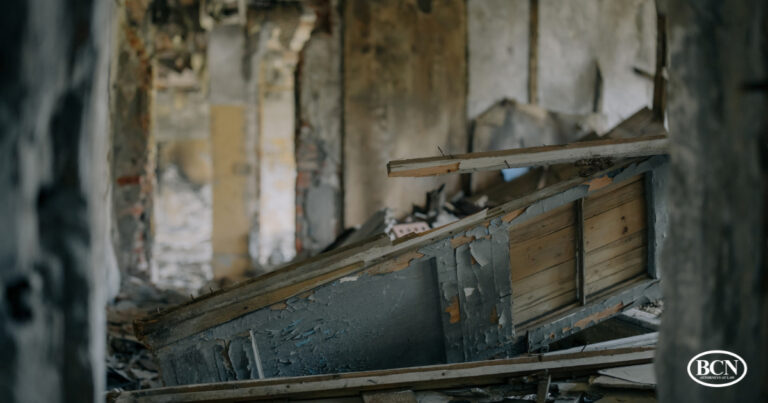
Discovering property damage is stressful enough, but finding additional damage after an insurance claim has already been filed can create even more uncertainty. Some damage may not become visible until repairs begin, materials are removed, or a professional conducts a more detailed inspection.
A supplemental property damage claim in Florida may provide a way to request additional coverage for damage connected to an already reported loss. Understanding how these claims work can help policyholders protect their interests and avoid unnecessary disputes.
What Is a Supplemental Property Damage Insurance Claim?
A supplemental claim generally involves requesting additional payment for damage associated with a loss that an insurance company has already evaluated or is in the process of evaluating.
For example, a homeowner may initially report visible water damage, only for a contractor to discover additional damage behind walls during repairs.
A supplemental claim may be appropriate when newly identified damage is connected to the original covered event.
However, whether the additional damage qualifies for coverage depends on the policy, circumstances, and applicable Florida law.
Why Is Additional Damage Sometimes Discovered Later?
Not all property damage is immediately visible.
Common examples include:
- Hidden water damage
- Structural deterioration revealed during repairs
- Damage beneath flooring
- Additional roof damage
- Electrical damage associated with a covered event
- Damage discovered during professional inspections
- These discoveries may affect the total cost of restoring the property.
What Should You Do When New Damage Is Found?
Document the additional damage as soon as it is discovered.
Take photographs and videos before repairs conceal the affected areas. Ask contractors or inspectors to provide written findings explaining what they discovered and why additional work may be necessary.
Maintain copies of:
- Updated repair estimates
- Contractor reports
- Inspection findings
- Photographs
- Repair invoices
- Previous insurance estimates
- Communications with the insurer
These records can help establish whether the newly discovered damage relates to the original loss.
Are There Deadlines for Supplemental Claims in Florida?
Yes. Florida law establishes notice requirements for certain property insurance claims, including supplemental claims.
Under Florida Statutes § 627.70132, supplemental property insurance claims are generally subject to an 18-month notice deadline measured from the date of loss.
Policyholders should also review their insurance contracts for applicable requirements and obtain legal guidance when deadlines are unclear.
Waiting too long to report additional damage may affect available options.
What If the Insurance Company Disputes the Additional Damage?
An insurer may question whether newly discovered damage resulted from the original event, falls within policy coverage, or requires the repairs being requested.
Disagreements may involve inspection findings, repair estimates, policy exclusions, or the cause of the damage.
A detailed review of the policy and supporting evidence can help determine whether the insurer’s position should be challenged.
BCN Law Firm Can Help With Supplemental Insurance Claims
Supplemental claims can become complicated when an insurer disputes additional damage or refuses to provide coverage for necessary repairs.
BCN Law Firm helps Florida policyholders navigate personal damage insurance disputes. The firm’s attorneys can review policy provisions, evaluate documentation, address disagreements with insurers, and help determine what legal options may be available when additional damage is discovered after an initial claim.